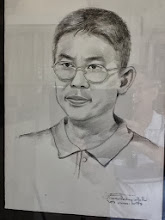
ผมได้อ่าน อนุมานวสาร สองคนดีแห่งแผ่นดิน ของ สมาคมนักเรียนเก่าวชิราวุธวิทยาลัยในพระบรมราชูปถัมภ์ และ สมาคมส่งเสริมสถาบันกรรมการบริษัทไทย (IOD)ที่กล่าวยกย่องผู้ที่ทำการต่อต้านคอร์รัปชั่นภาคเอกชนของประเทศไทย 2 ท่านคือ คุณดุสิต นนทะนาคร และ คุนชาญชัย จารุวัสตร์ ทั้งคู่เป็นศิษย์เก่าของโรงเรียนวชิราวุวุธฯ ซึ่งเป็นโรงเรียนประจำ ก็อดนึกไม่ได้ว่าโรงเรียนที่สามารถผลิตบุคลากรทั้งดีและเก่งอย่างนี้น่าจะมีจำนวนมากๆ เพื่อช่วยกันพัฒนาประเทศไทยของเราให้น่าอยู่ยิ่งขึ้น อ่านแล้วทำให้ทราบว่าทั้งสองท่านเป็นหัวเรือใหญ่ในภาคเอกชนในการรณรงค์ต่อแต้านคอร์รัปชั่น
คุณดุสิต นนทะนาคร เป็นเคยทำงานให้กับ บริษัทปูนซีเมนต์ไทย และเป็นกรรมการบริษัทหลายแห่ง และเป็นประธานสภาหอการค้าไทย ทั้งคุณชาญชัยและ คุณดุสิต เป็นผู้ก่อตั้ง แนวร่วมปฏิบัติของภาคเอกชนไทยในการต่อต้านทุจริต โดยมี IOD และ หอการค้าแห่งประเทศไทยเป็นหัวเรี่ยวหัวแรงหลัก ก่อนจะได้แนวร่วมเช่น หอการค้าต่างชาติ สมาคมบริษัทจดทะเบียนไทย สมาคมธนาคารไทย สภาธุรกิจตลาดทุน และ สภาอุตสาหกรรมแห่งประเทศไทย นอกจากนี้ยังได้ Center for International Private enterprise (CIPE) หรือ ศูนย์เพื่อธุรกิจเอกชนนานาชาติ มาเป็นผู้สนับสนุนด้านเงินทุน นานาชาติ มาเป็นผู้สนันสนุนเงินทุน
คุณชาญชัย จารุวัสตร์ ท่านเป็นกรรมการอำนวยการของสถาบันที่ชื่อว่า สมาคมส่งเสริมสถาบันกรรมการบริษัทไทย หรือ IOD คนแรกและทำต่อเนื่องจนวาระสุดท้ายของชีวิต ด้วยบุคลิกที่เป็นคนสุภาพ ท่านได้เชิญคนดีมีความสามารถมาช่วยงานที่สถาบัน IOD จำนวนมาก ทำให้งานของสถาบันเป็นหลักในการให้ความรู้ในหลักธรรมาภิบาลที่ดีแก่กรรมการบริษัทของประเทศไทย ปัจจุบันมีกรรมการบริษัทผ่านหลักสูตรหลักคือ Director Certification Program หรือ DCP จำนวน 169 รุ่นในปี 2555 จากประสบการณ์ทั้งสองท่าน พบว่า ถ้าจะทำงานใหญ่ แนวร่วมเป็นเริ่มที่ต้องให้ความสำคัญเป็นอันดับแรก
ที่มา อนุมานวสาร สมาคมนักเรียนเก่าวชิราวุธวิทยาลัยในพระบรมราชูปถัมภ์ และ สมาคมส่งเสริมสถาบันกรรมการบริษัทไทย (IOD)
วันศุกร์ที่ 8 กุมภาพันธ์ พ.ศ. 2556

Thailand 3rd National Conference on Collective Action Against Corruption
บทความในวารสาร Boardroom Vol.25 Issue 6/2012 ฉบับเดือน Nov - Dec กล่าวถึง งานประชุม Thailand 3rd National Conference on Collective Action Against Corruption ประจำปี 2555 ซึ่งจัดโดย IOD ร่วมกับ Center for International Private Enterprise (CIPE) ตลาดหลักทรัพย์แห่งประเทศไทย British Embassy Bangkok และองค์กรแนวร่วมชั้นนำ เช่น บางจากปิโตเรียม บ้านปู ปตท. ปูนซีเมนต์ไทย ทิสโก้ไฟแนนเชียลกรุ๊ป การไฟฟ้าฝ่ายผลิต ภายใต้แนวคิด The Responsibility of Company Director in Fighting Corruption
ในการประชุมครั้งนี้มีผู้ทรงคุณวุฒิที่มีประสบการณ์ในการต่อสู้กับคอร์รัปชั่นทั้งในระดับประทศเช่น ดร.ภักดี โพธิศิริ กรรมการคณะกรรมการป้องกันและปราบปรามทุจริตแห่งชาติ (ป.ป.ช.) ปาฐกถาพิเศษ ชื่นชมแนวร่วมปฏิบัติ และ IOD ที่ร่วมกันจัดงานต่อเนื่องเป็นปีที่ 3 เพื่อมุ่งเน้นการการพัฒนาตามหลักการกำกับดูแลกิจการของภาคเอกชน เพื่อป้องกันปัญหาทุจริตคอร์รัปชั่น ทั้งในส่วนของภาคเอกชนและส่วนที่เกี่ยวข้องกับรัฐ และกล่าวถึงบทบาทของ ป.ป.ช. ที่ผ่านมาว่าได้จัดแผนยุทธศาสตร์ชาติว่าด้วยการป้องกันและปราบปรามทุจริต ตั้งแต่ ปี 2551 ที่มีกลไกในการขับเคลื่อนสำคัญ คือ ภาครัฐ เอกชน และภาคประชาสังคม ตลอดจนกลไกศาสนาและการศึกษา คุณหญิงชฎา วัฒนะศิริธรรม กล่าวว่าประเทศที่คอร์รัปชั่นในภาคเอกชนที่น้อยที่สุดในกลุ่มประเทศ APEC คือ สิงคโปร์ ส่วนประเทศไทยคอร์รัปชั่นสูงเป็นอันดับ 2
ดร.บัณฑิต นิจฐาวร กล่าวถึงสถานการณ์ตอร์รัปชั่นของประเทศไทยว่า มี 3 ประเด็น คือ 1) คอร์รัปชั่นของประเทศลดลงได้จากความร่วมมือของ ภาครัฐ โดย ป.ป.ช. ประกาศใช้นโยบายต่อต้านคอร์รัปชั่น ภาคมหาชนโดยความร่วมมือของเครือข่ายองค์กร 42 แห่ง และภาคเอกชน โดยบริษัทมหาชนเข้าอบรมหลักสูตรเกี่ยวกับการกำกับดูแลกิจการที่ดี แ ะแสดงเจตนารมย์เข้าร่วมปฏิบัติภาคเอกชนไทยในการต่อต้านทุจริต (CAC) 2) การร่วมมืออย่างบูรณาการควรทำอย่างไร โดยในระยะสั้นอาจทำเป็นโครงการ ในระยะยาวควรทำเป็นธรรมเนียมปฏิบัติส่วนเรื่องการบังคับใช้นั้น ว่าจะเป็นแบบ Principle based approach หรือ Commitment approach 3) การเข้าร่วมเป็นสมาชิก CAC ซึ่งเริมตั้งแต่ปี 2010 เป็นการให้ความรู้และสร้างระบบในการต่อต้านคอร์รัปชั่น
ในระดับสากลมีผู้ทรงคุณวุฒิ เช่น Ms. Jean Rogers, Deputy Director, CIPE, Mr.Shabih Al Mohib กล่าวถึงการใช้สื่ออิเล็กทรอนิกส์ต่อต้านคอร์รัปชั่นมากขึ้น Mr.Sherin Majilessi รับผิดชอบโครงการของสหประชาชาติในการแก้ไขปัญหาคอร์รัปชั่นทั่วโลก กล่าวว่าปัญหาทุจริตของธุรกิจ SMEs เป็นปัญหารหลักของประเทศกำลังพัฒนาเช่น บราซิล อินเดีย จอร์แดน Ms. christine Uriate กล่าวว่า OECD ได้จัดตั้งองค์กรชื่อ OECD Anti Bribery Convention เป็นองค์กรเพื่อลดปัญหาคอร์รัปชั่น กล่าวว่าสาเหตุของปัญหาคอร์รัปชั่นมาจาก บริษัทและกลุ่มพนักงานที่ยอมรับข้อเสนอเพื่อประโยชน์ส่วนตน และในประเทศ OECD ก็ยังมีปัญหาคอร์รัปชั่นอยู่ด้วย Associate Professor Wu Xun กล่าวถึงเรื่องการปกป้องสิทธิของผู้ถือหุ้นและมาตรฐานการบัญชีว่าเป็นปัจจัยสำคัญมากต่อการลดการเกิดคอร์รัปชั่นในประเทศ และพบว่าในประเทศที่กำลังพัฒนานั้น ผู้ตรวจสอบภายใน ผู้ตรวจสอบภายนอก คณะกรรมการตรวจสอบ และ คณะกรรมการบริษัท ทำหน้าที่สำคัญในการป้องกันปัญหาการติดสินบนในองค์กร Ms. Angela Garcia กล่าวว่าประเทศฟิลิปินส์ตัดอันดับตำมากในการควบคุมปัญหาทุจริต และประเทศฮ่องกง ติดอันดับที่ดีที่สุด ในกลุ่มเอเซียตะวันออก 10 ประเทศ
เอกอัคราชทูตอังกฤษประจำประเทศไทย H.E. mark kent กล่าวปิดการประชุม Thailand 3rd National Conference on Collective Action Against Corruption ในหัวข้อ "Tackling Corruption: The UK perspective" ว่าวิธีการจัดการปัญหาคอร์รัปชั่นเบื้องต้นของเอกชน ดังนี้ 1. องค์กรมีกระบวนการที่เพียงพอ 2. ผู้นำระดับสูงขององค์กรต้องมีส่วนร่วม 3. ดำเนินการตามตัวอย่างที่เห็นได้ชัด 4. ประเมินความเสี่ยง 5. หาคู่ค้าทางธุรกิจที่ดี 6. สื่อสารกับพนักงานเพื่อสร้างความตระหนักรู้ 7. ติดตามและประเมินประสิทธิภาพของกระบวนการ
ที่มา Boardroom Magazine, Vol.25 Issue 6/2012, Nov - Dec, IOD www.thai-iod.com
วันศุกร์ที่ 4 มีนาคม พ.ศ. 2554
ชาญชัย จารุวัสตร์
คุณชาญชัยหรือ อาจารย์ชาญชัย จารุวัตร์ เป็นที่รู้จักและเป็นผู้ได้รับการยกย่องจากวงการบริหารจัดการธุรกิจ และเป็นที่เคารพรักของบรรดาลูกศิษย์ที่ผ่านหลักสูตร DCP ของสมาคมส่งเสริมสถาบันกรรมการบริษัทไทย (IOD)
ผมรู้จักชื่อท่านเมื่อหลาย 10 ปีก่อน สมัยท่านยังเป็นหัวเรือใหญ่อยู่ที่บริษัท IBM ประเทศไทย ตอนนั้นไม่มีโอกาสได้พบหน้าท่าน แต่ก็อดชื่นชมในใจว่าบุคคลคนนี้น่าจะเก่งทั้งบริหารและเทคโนโลยี มิฉะนั้นคงไม่สามารถมานำทีมบริษัทคอมพิวเตอร์ยักษ์ใหญ่ได้ และคิดว่าวันหนึ่งคงได้มีโอกาสขอความรู้จากท่านบ้าง มาพบหน้าท่านอีกครั้งสมัยท่านมาให้คำปรึกษากับคณะกรรมการบริษัททีโอทีจำกัด (มหาชน) แต่ก็ยังไม่มีโอกาสคุย กัน มามีโอกาสได้สนทนาและเรียนรู้ประสบการณ์จริงๆ เมื่อเข้ามาเรียนกับท่านในหลักสูตร DCP ของสถาบัน IOD ในปีพ.ศ.2552
เท่าที่รู้จัก อาจารย์ชาญชัย แสดงให้เห็นถึงความมุ่งมั่นที่ต้องการเห็นบริษัทคนไทยมีความสามารถในการแข่งขันและเติบโตอย่างยั่งยืน ท่านเน้นย้ำความสำคัญของคณะกรรมการบริษัทหรือบอร์ดว่า มีความสำคัญต่อความอยู่รอดของบริษัท ท่านยกตัวอย่างสาเหตุหลักที่บริษัทประสบความล้มเหลว เป็นเพราะบอร์ดไม่ได้ทำหน้าที่กรรมการตามหลัก Fiduciary Duties ว่าต้องทำหน้าที่ในการสร้างผลประโยชน์ตอบแทนที่ดีที่สุดให้แก่ผู้ถือหุ้น ด้วยความรอบครอบระมัดระวังที่วิญญูชนพึงกระทำ (Duty of Care) ทำหน้าที่ด้วยความซื่อสัตย์สุจริต เพื่อรักษาผลประโยชน์ผู้ถือหุ้น (Duty of Loyalty) ปฏิบัติตามกฎหมาย วัตถุประสงค์ ข้อบังคับ และมติของผู้ถือหุ้น (Duty of Obedience) และ เปิดเผยข้อมูลต่อผู้ถือหุ้นอย่างครบถ้วน และโปร่งใส (Duty of Disclosure)
คำว่าปลาเน่าเริ่มที่หัว หรือ “The fish rots from the head.” คำกล่าวของ Bod Garratt ที่อาจารย์มักพูดถึงเสมอ เพื่อให้พวกเราตระหนักว่าบอร์ดนอกจากมีหน้าที่กำกับดูแลให้บริษัทมีผลการดำเนินการที่ดีแล้ว บริษัทจะรอดหรือล่มสลายอยู่ที่บทบาทและหน้าที่ของบอร์ด ดังนั้นทุกครั้งที่บอร์ดต้องตัดสินใจ จะต้องคำนึงถึงหน้าที่กรรมการตามหลัก Fiduciary Duties ทุกครั้งไป
หากเราสามารถลอกเลียนแบบในสิ่งที่อาจารย์ ชอบ มุ่งมั่น เชื่อ คิด และ ทำ แล้ว ผมเชื่อว่าบริษัทไทยจะเติบโตอย่างยั่นยืน สามารถแข่งขันได้ทั้งในระดับภูมิภาคและในระดับโลก
วันอาทิตย์ที่ 13 กุมภาพันธ์ พ.ศ. 2554
Management is necessary but not sufficient
The output of management is decisions. The output of good management is the right decisions; conversely, of course, bad management results in the wrong decisions – and these can be very costly.
However, right decision sometimes is no guarantee of success. There are three reasons:
1. Capability. A decision will not deliver if it does not reflect the capabilities or the core competency of the companies – indeed, it is impractical if it does not do so. These are criteria that should have been part of the initial decision-making process.
2. Commitment. A decision will not deliver if, once taken, it is then evaluated through yet more analysis to the point of paralysis. Better to say, ‘OK, decision made, let’s do it.’
3. Engagement. A decision will not deliver if it does not engage the people who must implement the decision. The understanding and conviction, upon the decision was made, must be communicated to the people who are implement that decision. This is one of the most common problems where decision-making is concerned: many brilliant strategies reports gather dust in filing cabinets; many well-meaning initiatives fail to deliver, because they engage only a small proportion of those needed to implement them.
It is clear, therefore, that while good management is necessary, on its own it is not sufficient to guarantee good performance.
Source: Mark Thomas with Gary Miles and Peter Fisk, The Complete CEO: the Executive’s Guide to Consistent Peak Performance, Capstone Publishing Limited (a Wiley Company), 2006
วันเสาร์ที่ 7 สิงหาคม พ.ศ. 2553
Six-Step Evaluation Process for a TQA New Assessor
Dr.Carlingo, baldrige key resource person has illustrated a basic approach for new baldrige examiner or new TQA Assessor during the TQA calibration for 2010 TQA Assessor on 19-21 July 2010 in Bangkok as follows.
Step 1: Ground yourself in tthe criteria
Step 2: Select revalent key factors
Step 3: Read the revalent section of the applicant report
Step4: Identify 6 Strengths & OFIs
Step 5: Draft feedback-ready comments
Step 6: Determining the scoring range & score
Step 1: Ground yourself in tthe criteria
Step 2: Select revalent key factors
Step 3: Read the revalent section of the applicant report
Step4: Identify 6 Strengths & OFIs
Step 5: Draft feedback-ready comments
Step 6: Determining the scoring range & score
วันจันทร์ที่ 19 เมษายน พ.ศ. 2553
What is Execution?
Execution is a systematic process of rigorously discussion how and what, questioning, tenaciously following through, and ensuring accountability.
It includes making assumptions about the business environment, assessing the organization’s capabilities, linking strategy to operations and the people who are going to implement the strategy, synchronizing those people and their various disciplines, and linking rewards to outcomes.
It also includes mechanisms for changing assumptions as the environment changes and upgrading the company’s capabilities to meet the challenges of an ambitious strategy.
Source: Larry Bossidy, Ram Charan and Charles Burck, Execution: The Discipline of Getting Things Done, Random House, Business Books, 2002
วันศุกร์ที่ 4 ธันวาคม พ.ศ. 2552
Role of the CEO
Know the Board
To obtain the highest value from their company’s’ directors, CEOs must attentively seek to know board member’s background, experience, special skills, special areas of interest, strengths, weaknesses, likes and dislikes. Based on this knowledge, a CEO can generally predict how the directors will react to management’s proposals, thereby enabling him or her to anticipate and prepare for board questions and disagreements and, in so doing, prepare a more informed and effective case for management’s proposals.
Setting the Tone and Corporate Culture
The cultures at Enron place a premium on earning growth at any cost. To obtain growth, creative accounting was created. Apparently, little attention was placed on developing a system of checks and balances on an out-of-control engine that caused Enron collapse.
The CEO is responsible, with the assistance and advice of the board, for creating the corporate culture and setting the right tone at the top. The CEO’s action and the tone that he or she uses in communicating with employees reveals and influences the company’s culture and the expected attitude of the company’s employees.
The board’s role is to monitor and supervise the company’s culture and ensure that the CEO is sending the company’s management team and employees the right message. It must also identify programs that aid in maintaining the right tone throughout the entire organization, including those designed to deter, quickly detect, and strongly prosecute dishonesty and fraud within the organization.
The CEO’s role in the Decision-Making Process
Inexperience, ignorance, or fears have driven many successful CEOs to keep their directors out of the decision-making process. The reason is that CEOs were reluctant to disclose early warnings or bad news, based on mistaken belief that with time, management could get back on track, meet revenue projections, or raise the funds needed to finance the corporation’s business.
They believed that disclose to the board of bad news or the need for board help would ineluctably lead the board to believe that management was weak, lacked leadership, and needed to be replaced.
What the CEO Expects from the Board
The CEO and the directors must relate to each other as equals in the operation and oversight of the company. To operate effectively, they must trust each other. While current trends are leading to a reduction of the CEO’s dominance in the boardroom, cooperation must be preserved to ensure that the important responsibilities of the board are properly performed, particularly as the new rules of corporate governance are implemented. Therefore:
- The CEO and the director must cooperate and work together to create an open board environment where disagreement doesn’t create disruptive tension or animosity.
- Directors must be aware of the CEO’s need for attentive and committed directors who are willing to devote the time necessary to acquire and maintain solid knowledge about the company’s business, finance, competitors, and risks.
- Directors need to concentrate during board meetings and remember what the CEO and management tells them about achievement, problems, plans, and future strategies.
- Directors need to assist the CEO in planning the agendas for the board meeting.
- The CEO wants and needs honest feedback from the directors, including advice designed to improve a board meeting as well as frank and helpful criticism when required and encouragement and praise when earned.
Avoiding Surprises
CEOs who want to keep their job should never surprise the directors with bad news. Rather, they must keep the board apprised of potential future problems before they occur, seek help from the board solve those problems when they do occur, and make the board and integral part of the decision-making process. This makes good self-protective sense because it lets the CEO benefit from the board’s experience and advice and avoid unpleasant surprise. In addition, if the decision later turns out to be wrong, the CEO van take some comfort in the fact that mistake was not solely his or her mistake, but a mistake made by the entire board after a candid, informed discussion.
CEOs who observe best practices supplement their board meeting material with a two-to three-page memorandum that summarizes the good and bad that occurred during the past quarter, reveals the problems and concerns that keep them awake at night, and focuses on the important matters that will be presented for serious discussion with the board at the scheduled meeting.
Source: Paul P. Bountas, Board Excellence: A Commonsense Perspective on Corporate Governance, Jossey-Bass a Wiley Imprint, 2004
สมัครสมาชิก:
บทความ (Atom)